


Relocating abroad with your pet means supporting their safety and comfort as they adjust to a new climate. Whether you’re moving to a hot, humid country or a region with freezing winter temperatures, proper preparation ensures your pet stays healthy, relaxed, and happy throughout the transition.
This guide covers key steps to help your pet adapt to both hot and cold climates when moving overseas.
Preparing Your Pet for Travel and Climate Change
Before travelling, make sure your pet is fit and ready for the journey:
- Vet checks: Book check-ups, ensure vaccinations are up to date, and obtain a valid health certificate.
- Travel documentation: Secure the necessary permits and paperwork required for your destination.
- Pet transport services: Consider using a professional pet transport company to handle logistics and ensure your pet’s comfort and safety.
- Hydration: Keep your pet well-hydrated in preparation for warmer climates.
- Comfort and routine: Bring familiar toys, bedding, or treats to help ease travel anxiety.
Ensuring your pet is medically cleared, calm, and well-prepared can make the move smoother for both of you.
Arriving in a Hot Climate
Hot destinations bring unique risks for pets, especially brachycephalic (short-nosed) breeds like pugs, bulldogs, and Persian cats. Heat exhaustion and dehydration can occur quickly, so take extra care when you arrive.
Key Tips for Hot Weather Care
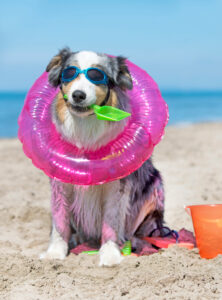
- Keep your pet hydrated: Provide fresh, cool water at all times. Adding ice cubes can help keep water appealing and refreshing
- Walk during cooler hours: Avoid midday heat. Early morning and evening walks reduce heat exposure.
- Limit sun exposure: Offer shaded areas and limit time outside. Apply pet-safe sunscreen to sensitive areas like the ears, nose, and paw pads.
- Protect from pests: Hot climates attract insects — refresh water bowls regularly and use vet-approved repellents.
- Groom regularly: Brush thick-coated pets often to help them shed excess fur and cool down naturally.
- Never leave pets in cars or confined hot spaces: Temperatures can become fatal within minutes.
- Provide cooling aids: Cooling mats, damp towels, fans, or chilled beds can help regulate temperature.
- Paw safety: If pavement is too hot for your hand after five seconds, it’s too hot for paws. Watch for limping or redness.
Relocating to a Cold-Weather Climate
Moving somewhere colder also requires preparation. Cold, wet, or snowy conditions can lead to hypothermia, frostbite, and respiratory issues — especially for pets with short coats or those not used to the cold.
 Key Tips for Cold Weather Care
 Key Tips for Cold Weather Care
- Dress appropriately: Choose a suitable, well-fitting coat for your dog if needed. Some pets require extra insulation in colder regions.
- Short walks at first: Begin with short outdoor sessions and gradually extend the duration as your pet acclimates.
- Indoor activity: Reduce outdoor time during extreme weather; provide stimulating toys and indoor play sessions to keep your pet active and warm.
- Keep pets dry: Towel-dry your pet after rain or snow to prevent chills.
- Warm sleeping space: Provide a cozy bed, blanket, and a draft-free resting area to ensure restful, warm sleep.
- Monitor your pet closely for signs of discomfort, illness, or breathing difficulties, and contact a vet if needed.
Settling Into Your New Home
Adjusting to a new climate and environment takes time. Help your pet acclimate smoothly by:
- Creating a safe, familiar space with bedding and toys from your previous home.
- Maintaining routine for feeding, walks, and playtime.
- Pet-proofing your home — secure windows, remove toxic plants, and check for escape routes.
- Introducing the climate gradually — slowly increase exposure to new temperatures and environments.
Weather Safety Checklist for All Climates
- Have an emergency plan: Know where to go and how to transport your pet during extreme weather.
- Prepare an emergency kit: Include food, water, medication, and vet records.
- Monitor weather alerts: Stay informed about local conditions.
- Update identification: Ensure microchip information and ID tags have your new address and phone number.
Final Thoughts
Relocating with your pet to a new climate requires thoughtful planning and ongoing attention. By preparing for temperature changes, creating a comforting environment, and keeping their wellbeing top of mind, you’ll help your companion settle happily and safely into their new home.